

The Criminologist Who Makes the Hard Things Easy
Dr. Dywane Thompson is a criminologist, professor, and consultant committed to making complex criminal justice issues understandable, actionable, and solvable. His work bridges research, data, and lived experience to help organizations and agencies address real-world challenges with clarity and evidence.

ABOUT
My name is Dr. Dywane Thompson, and I am a criminologist committed to making complex criminal justice issues understandable, actionable, and solvable. I am a professor in the Department of Criminal Justice at Columbia College, where I teach a wide range of courses, including Corrections, Courts, Social Work and Criminal Justice, Victimology, Diversity in Criminal Justice, Introduction to Criminal Justice, Criminological Theory, and more.
My teaching and scholarship emphasize critical thinking, evidence‑based policy, and real‑world application, preparing students to analyze and respond to contemporary challenges in the criminal justice system. Through both the classroom and public engagement, I strive to bridge theory and practice while fostering informed, ethical, and inclusive approaches to justice.

SERVICES
I offer consulting, research, training, and organizational development services for attorneys, expert witnesses, criminal justice agencies, and organizations working with justice-involved populations.

-
Analysis of crime patterns and spatial criminology insights
-
Research design, data interpretation, and program evaluation
-
Policy analysis and recommendations
-
Expert support for premise liability and crime-and-place cases
-
Guidance on accessibility and compliance for Deaf and hard of hearing populations
Consulting and Research Services

-
Training on communication and accessibility
-
Evidence-based practices for law enforcement, corrections, and community agencies
-
Data literacy and analytical skills training for practitioners
Training and Professional Development

-
Strategic planning and organizational assessment
-
Program development and implementation support
-
Contract negotiation advising
-
Leadership and team development sessions
Organizational Strategy

RESEARCH FOCUS
My research centers on Deaf and hard of hearing individuals in the criminal justice system, with particular emphasis on their pathways to incarceration and their experiences in correctional environments.
As a CODA (Child of Deaf Adults), I bring personal and cultural understanding to this work, allowing me to approach these issues with both scholarly rigor and lived insight.
My dissertation, Silenced Trajectories: Language Deprivation, Institutional Misinterpretation, and Reentry Barriers for Deaf Prisoners, reflects my commitment to elevating the voices of a population that has been historically overlooked in criminology.
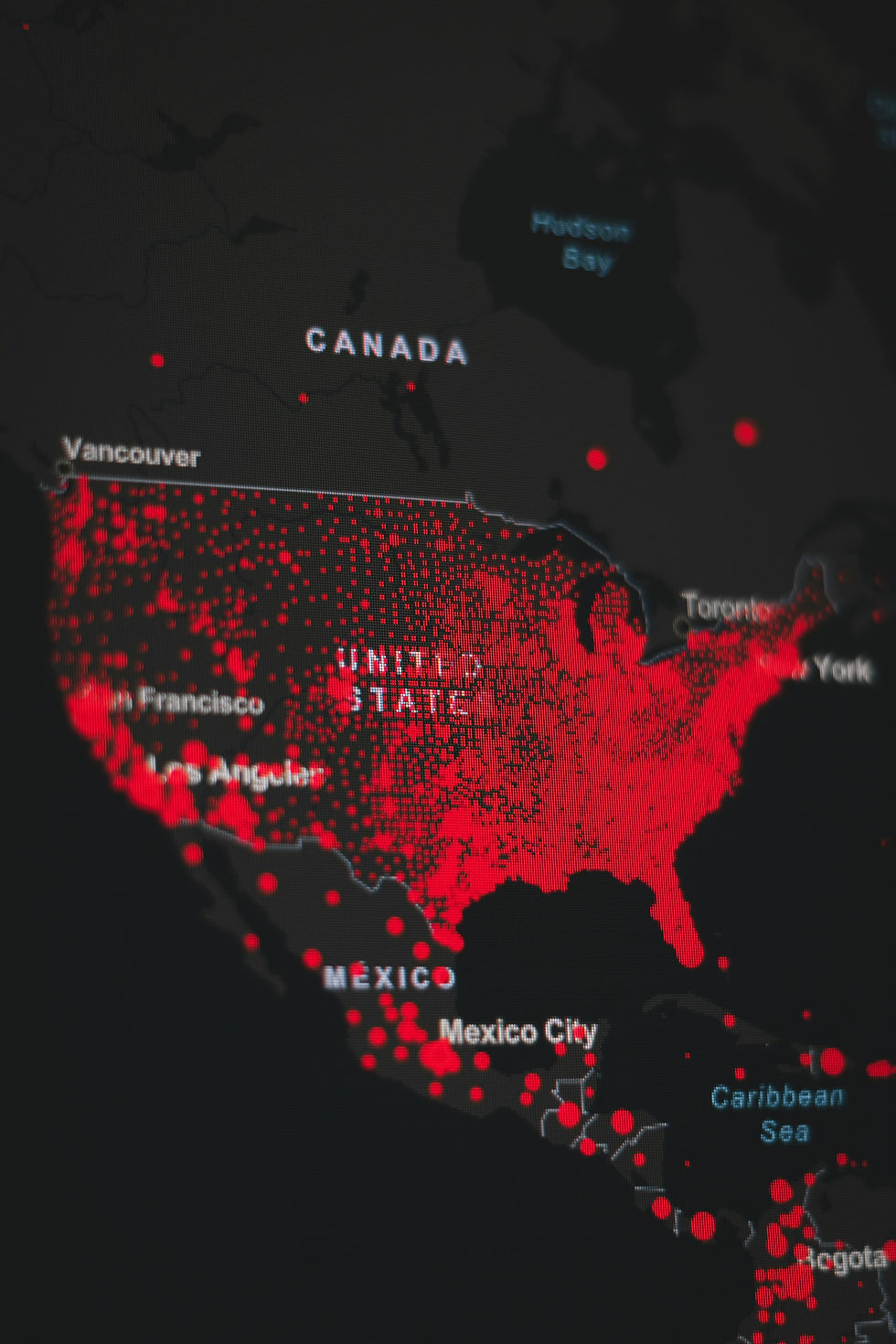
I also conduct research in spatial criminology, examining how crime, place, and environment intersect. My work leverages data to help agencies understand patterns, identify problems, and implement solutions that improve safety and equity.


PROFESSIONAL BACKGROUND
I have collaborated with consultants, practitioners, and expert witnesses on a range of projects involving premise liability, environmental criminology, deviance and place, program development, and organizational strategy. These collaborations have allowed me to integrate analytical rigor with applied problem-solving in both public safety and institutional settings.
I have supported major research initiatives, including the South Carolina Law Enforcement Census Project, and my published scholarship includes empirical work examining the relationship between mental and physical health among unsheltered homeless individuals. My research contributions reflect a commitment to evidence‑based inquiry and to understanding the complex social conditions that shape crime, vulnerability, and community well‑being.
Drawing from my experience as a data analyst and instructor, I approach criminological and organizational questions through a multidisciplinary, data‑driven lens. I have taught military personnel applied data analytics using tools such as Microsoft Excel and Power BI, emphasizing dashboard development and data visualization to support effective business and operational decision‑making. This background allows me to integrate analytical rigor with practical application, producing actionable insights that bridge research, policy, and real‑world problem solving in complex institutional environments.


MISSION
My mission is to use data, research, and clear communication to help organizations, practitioners, and communities understand and address complex issues in the criminal justice system. I aim to make difficult topics accessible, actionable, and grounded in evidence. Whether I am teaching, consulting, or conducting research, my goal remains the same:
To make the hard things easy.
WHAT MAKES MY APPROACH UNIQUE
My work is shaped by a combination of academic expertise, practical experience, and a personal connection to the Deaf community.
I bring a multidisciplinary perspective informed by criminology, sociology, and data analytics. This allows me to bridge the gap between research and real-world application, helping organizations understand not only what the data shows, but what it means.
Criminology
Applying theory and research to understand crime patterns and improve justice system outcomes.
Sociology
Examining social structures, inequality, and community dynamics to inform effective solutions.
Data Analytics
Turning complex data into clear insights that guide policy, strategy, and decision-making.
Real-World Service Roles
Grounded experience in frontline and leadership roles that connect research to practice.
